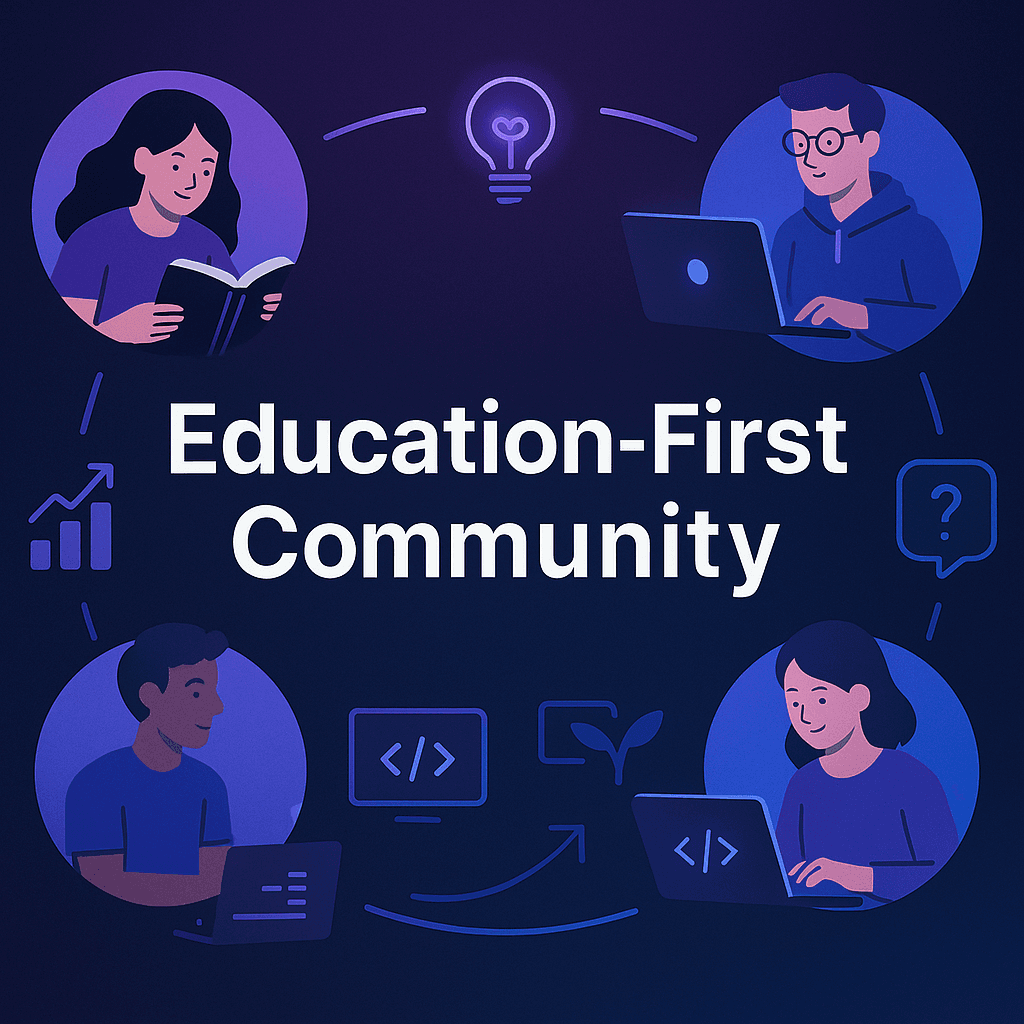
Today, communities are no longer just a gathering of enthusiasts or consumers. They've become hubs of learning, innovation, and professional growth—especially in developer circles. But the secret to building a successful, engaged community goes beyond just having active members. It starts with an education-first approach.
Focusing on educating your community transforms the experience. You shift from being a provider of content to being a trusted source of knowledge and growth. And when people feel they're gaining real, practical value, they stick around. This article will dive into how to build an education-first developer community, with real-life examples to guide you along the way. We'll walk through key strategies, best practices, and the steps you can take to create a thriving learning hub.
The Philosophy of Education-First Engagement
#The foundation of an education-first community lies in a simple idea: give before you take. When your priority is teaching rather than selling or promoting, you create an environment where members trust you because they're learning something valuable. This not only strengthens engagement but also positions your community as the go-to resource for knowledge in your field.
Why This Approach Works
#- Builds Trust: When members see that the focus is on their growth rather than on selling a product, trust naturally follows. And trust is the backbone of any thriving community.
- Fosters Engagement: People are more likely to stay active when they feel they're gaining something meaningful from the content. An education-first model encourages members to participate, ask questions, and collaborate.
Core Pillars of an Education-First Developer Community
#To build an effective education-first community, you need a clear framework. Below are the key pillars that will drive value and engagement in your community.
1. Structured Learning Resources
#A well-organized learning path is essential to an education-first community, especially in technical fields like software development. Providing structured, step-by-step learning paths for developers allows them to grow their skills progressively.
Example: A community might offer a learning track for blockchain developers, starting with foundational concepts like smart contracts and scaling up to advanced topics such as decentralized finance (DeFi) and oracles. These learning materials could include written tutorials, video lectures, and hands-on labs that allow developers to apply their knowledge in real-time.
How to Implement:
#- Design learning paths for beginners, intermediate, and advanced developers.
- Break content into manageable modules so learners can progress at their own pace.
- Regularly update materials to ensure they reflect the latest technology and industry trends.
2. Interactive Developer Tutorials
#Developers learn best through practice. Offering hands-on tutorials is critical to keep members engaged, allowing them to apply new skills through real-world coding tasks.
Example: Imagine hosting monthly coding challenges where developers build a smart contract that interacts with real-world data. These challenges allow members to hone their skills and gain confidence with the technology.
How to Implement:
#- Host live coding sessions or release interactive coding challenges regularly.
- Use platforms that allow developers to code directly in their browsers or environments where they receive immediate feedback.
- Offer tasks of varying difficulties to ensure inclusion of all skill levels.
- Provide incentives, such as prizes, for completing challenges to drive engagement.
3. Real-World Use Case Learning
#One of the best ways to engage your developer community is by showing them how the technology they're learning about is used in real-world scenarios. Theory is important, but it's when developers see practical applications that their excitement peaks.
Example: Organize workshops or case studies around real-world projects that have successfully used blockchain or smart contract technologies. These workshops could cover topics like how decentralized finance applications handle millions of dollars securely, or how oracles ensure the integrity of external data in smart contracts.
How to Implement:
#- Host quarterly workshops that focus on real-world case studies.
- Invite guest speakers who can walk through successful projects and discuss the challenges they faced.
- Develop content that is closely tied to the kinds of projects your community members might want to build themselves.
Creating a Highly Engaging Learning Experience
#Now that you have the core pillars in place, it's time to think about how to foster deeper engagement and collaboration within your community.
4. Peer-to-Peer Learning and Collaboration
#Learning is often most effective when it's collaborative. Developers benefit immensely from exchanging ideas, debugging together, and learning from one another's approaches to solving problems.
Example: Create virtual study groups where learners can discuss course material and share progress on assignments. You can also encourage peer-to-peer mentorship, where more experienced developers help guide newer members through the learning process.
How to Implement:
#- Set up dedicated channels for study groups in your community platform (e.g., Discord, Slack).
- Organize group projects where learners must work together to build a decentralized app or smart contract.
- Encourage peer code reviews, where members give feedback on each other's work.
5. Certifications with Real-World Value
#Certifications are a powerful motivator. They give learners something tangible to work toward, and they offer real-world value, especially if the certification is recognized by employers or in the developer ecosystem.
Example: Offer a certification program where learners complete a series of tasks, culminating in a final project. The project could be anything from building a smart contract application to integrating an oracle service into a decentralized platform. The final product is assessed by an instructor, and successful learners receive a certificate they can share on LinkedIn or with future employers.
How to Implement:
#- Develop certification tracks that align with the learning paths you offer.
- Create a rigorous assessment process, where learners must submit a final project for evaluation.
- Use digital badges or certifications that can be shared on professional networks.
6. Hackathons and Coding Challenges
#Hackathons are an excellent way to drive excitement and push developers to apply their skills in a competitive but collaborative environment. They create a sense of urgency and give developers a chance to show off their expertise.
Example: Host quarterly hackathons where developers are given a week to build a dApp (decentralized application) using the skills they've learned. You can encourage teams to form, creating a fun, collaborative atmosphere where learners push themselves to create something great in a limited time.
How to Implement:
#- Announce hackathons well in advance and create a dedicated space for participants to collaborate.
- Offer incentives like prizes, recognition, or job opportunities to drive participation.
- Provide templates or starter kits to ensure that participants can focus on solving real problems rather than struggling with setup.
Sustaining Engagement Over Time
#Building a community isn't just about getting people in the door—it's about keeping them engaged long after they've joined. Here are a few strategies to keep learners excited and involved.
7. Continuous Knowledge Sharing
#Don't let your community's learning stagnate. Regularly sharing tips, tutorials, and new developments ensures that learners feel like they're part of an evolving space that keeps their skills sharp.
Example: Post a "Tip of the Week" in your community forum or Discord. These tips could cover everything from optimizing smart contract gas fees to new updates in blockchain protocols.
How to Implement:
#- Create a content calendar to ensure you consistently post fresh educational content.
- Encourage community members to contribute their own tips or insights.
- Use different formats, like short articles, videos, or Q&A sessions, to keep the content engaging.
Implementing an Education-First Community: A Step-by-Step Guide
#Now that we've gone over the core strategies, let's talk about how to implement them in a way that ensures long-term success for your community.
Start with a Pilot Phase
#- Test Your Learning Resources: Before you launch, run a small pilot program where you gather a handful of learners to try out your courses, tutorials, and interactive sessions. This will give you valuable feedback and help you refine the content.
- Build Momentum: Use the pilot to create buzz. Participants can help spread the word by sharing their experiences on social media.
Launch with Key Educational Events
#- Kickoff Webinar: Host a launch webinar where you introduce your community to the core learning paths, certifications, and the first interactive tutorial.
- First Coding Challenge: Within the first month, run a coding challenge to get learners engaged right away and build early excitement.
Sustain Engagement Post-Launch
#- Continuous Learning: Keep learners coming back by posting regular educational content and hosting webinars or workshops on advanced topics.
- Quarterly Hackathons: These larger events will create major spikes in engagement and give learners something to look forward to.
Conclusion: Creating an Enduring Developer Community
#Building a developer community with an education-first mindset is one of the most effective ways to foster engagement, loyalty, and real-world impact. When you prioritize value, your members don't just consume content—they grow, collaborate, and contribute.
By implementing the strategies laid out in this guide, you can create a learning environment where developers are empowered to sharpen their skills, solve real-world problems, and push the boundaries of what's possible. And the best part? They'll keep coming back because they know they're getting more than just content—they're gaining expertise.
Call to Action
#Start building your education-first developer community today. Focus on delivering value through interactive learning, and watch your community grow into a thriving hub of knowledge, innovation, and collaboration.